Later this year, doctors in London hope to start the first human trial of a radical new treatment for children with drug-resistant leukaemia. One- or two-year-old infants will have gone through multiple rounds of chemotherapy, to no avail. The best hospitals can do is make them comfortable.
The therapy is one of the most sophisticated medicine has ever seen. White blood cells – part of the immune system’s frontline defences – are collected from a healthy donor and effectively turned into a drug through genetic engineering. First, they are modified to hunt down their target: a protein that appears on leukaemia blood cells. Next, they are tweaked to make them invisible to drugs that suppress the child’s immune system during the treatment. Finally, the cells are modified again to ensure that when they are infused they do not attack the child.
Magnified white blood cells from a patient with leukaemia. Photograph: Steve Gschmeissner/Corbis
A medical team at Great Ormond Street hospital will run the trial for a French pharmaceutical company called Servier. But they have already had a glimpse of what the cells can do for children. Last June, a one-year-old girl, Layla Richards, became the first infant with acute lymphoblastic leukaemia to have the therapy. Her cancer did not respond to several rounds of chemotherapy and she had only a few months to live.
Layla’s medical team had some modified immune cells on ice – prepared for the trial by researcher Hong Zhang. It had taken her 18 days to modify and purify the cells in a small clean room on the hospital’s lower ground floor. The team thawed the cells out and gave them to Layla in June under a special licence granted by the Medicines and Healthcare Products Regulatory Agency (MHRA). Layla’s leukaemia abated and she had a bone marrow transplant three months later. So far, she is doing well.
“This could really only have happened on the NHS, where there is a wealth of expertise and people across many disciplines willing to give their time and energy,” said Prof Waseem Qasim, leader of the clinical trial.
Adrian Thrasher, professor of paediatric immunology at Great Ormond Street, admits the special licence system has critics. Some fear untested treatments could be used prematurely. “It’s very well-regulated, and we do it only in very well-considered cases,” he says. “And often you get results like we’ve seen with Layla.”
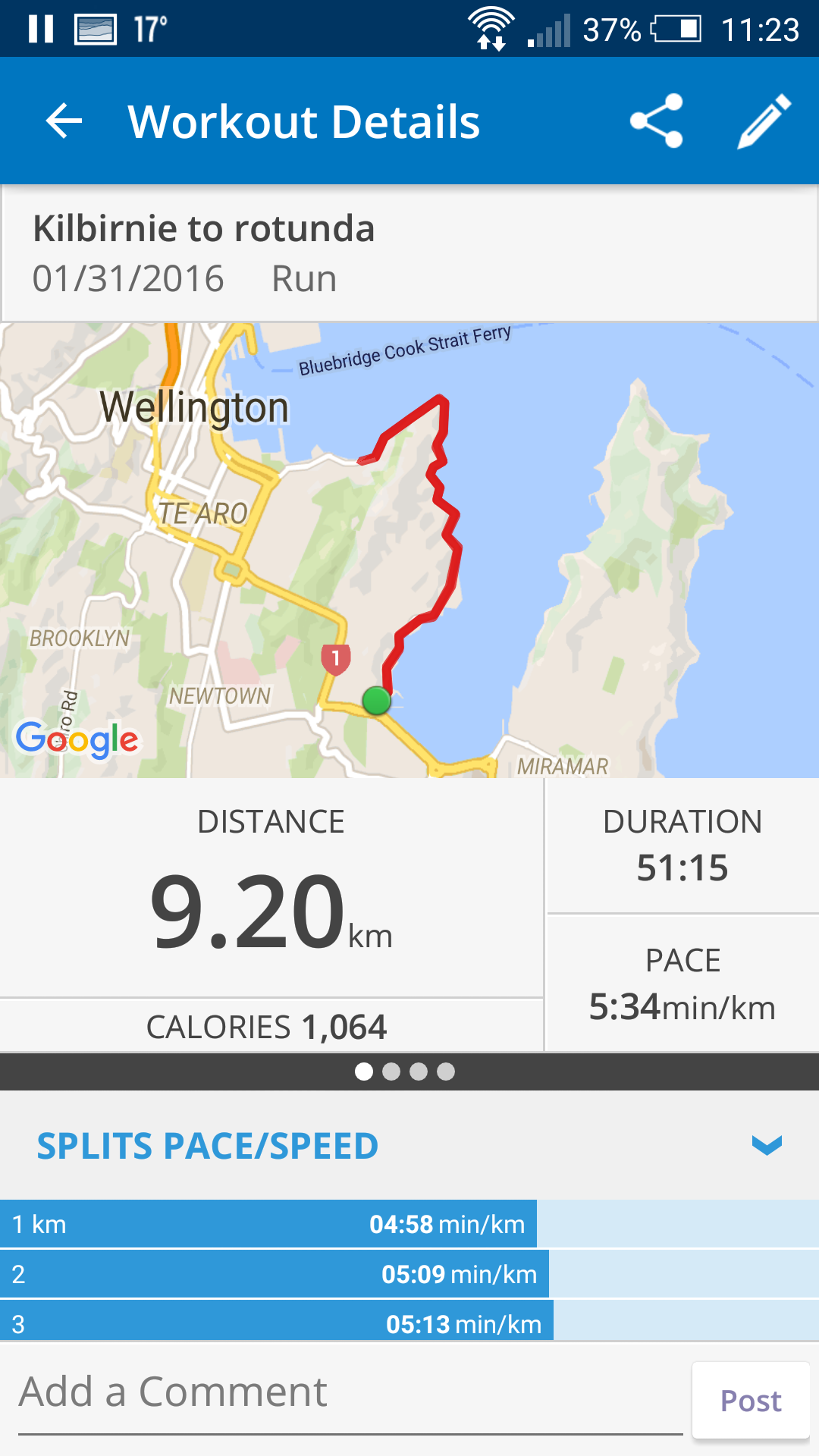
Since the summer holidays in the Hawke’s Bay running has been back on the cards.
With my plantar fasciitis running was not possible. In the last six months I have been able to some running but in recent weeks I have making trips more regular. Distances and times are slowly improving.
All this fits in with one of the new year resolutions-getting rid of the middle-aged tyre. With the change in food we are eating as a family plus the exercise progress is being made. I feel like Bridget Jones and her diary.
Sara making progress with the running. Joseph is the one to catch.