The reason we’re having a Referendum about EU membership has nothing much to do with EU membership. It’s because Cameron needed some way of getting the Europhobes in his party off his back. So he threw them a Referendum, much as one would throw a leg of lamb to a pack of baying wolves. Some thought it was a stroke of tactical genius at the time. In fact it was a colossal strategic error, because — whatever happens on June 23 — the Tory party has been rent asunder. And it’s hard to imagine a vote that will change that. Even a large Remain margin won’t appease the Euronutters. A narrow Remain vote will simply make them salivate for a return match. And of course a Leave vote will mean that both Cameron and the country are screwed. Some genius, eh?
Source: David Cameron, political genius (not) | Memex 1.1
A blog I have followed for years. So much interesting reading, including the above.
Plain packaging of cigarettes will be mandatory from Friday after the high court in London rejected an attempt by the tobacco industry to prevent the change in the law.
Campaigners say other countries considering plain packaging – including Canada, Hungary, Norway and Slovenia – will be encouraged by the defeat of the industry.
“This landmark judgment is a crushing defeat for the tobacco industry and fully justifies the government’s determination to go ahead with the introduction of standardised packaging,” said Deborah Arnott, chief executive of the charity Ash (Action on Smoking and Health).
Company says legislation on sweetened drinks is one of biggest risks for business as it announces 7.3% rise in pre-tax profit
Britvic plans to change the recipes for more of its drinks in order to avoid the sugar tax, which is expected to be introduced in the UK in 2018.
Government plans for the tax were confirmed in the Queen’s speech on Wednesday. The Britvic chief executive, Simon Litherland, said the company was aiming to cut the calories in its products by 20% within four years
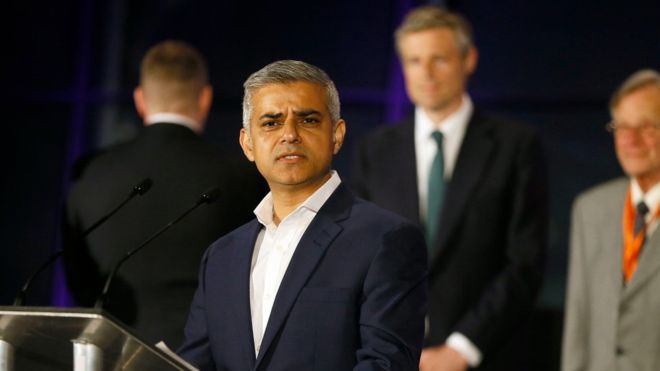
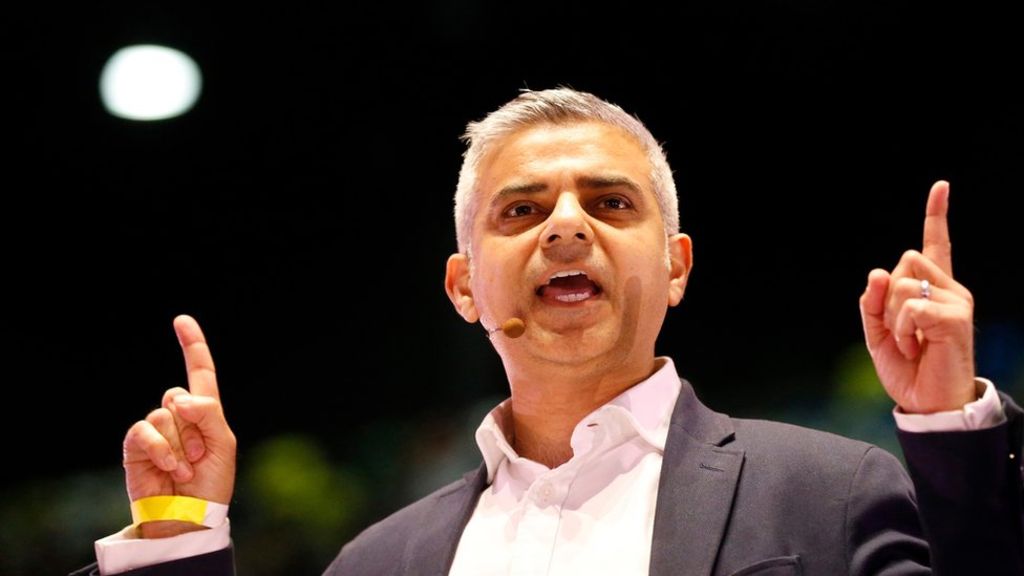
Sadiq Khan, the new Labour mayor of London, has launched an extraordinary attack on David Cameron and his defeated opponent, Zac Goldsmith, accusing them of trying to turn different ethnic communities against each other to stop him winning in the capital.
Khan wrested control of the capital from the Tories after eight years under Boris Johnson, in what turned out to be a comfortable win. He said he had hoped the campaign would focus on issues such as housing, transport and air pollution. “But David Cameron and Zac Goldsmith chose to set out to divide London’s communities in an attempt to win votes in some areas and suppress voters in other parts of the city,” he said.
The campaign was very negative, smearing him with the radical innuendo. Dirty stuff and actually truly ridiculous. Cameron in the Commons using PMQ with a planted question to slag Khan off. Typical piss-poor Cameron.
He has often said that his early impressions of the world of work shaped his belief in the trade union movement. His father, a bus driver for 25 years, “was in a union and got decent pay and conditions” whereas his mum, a stay-at-home seamstress, “wasn’t, and didn’t”.
He lived with his parents and siblings in a cramped three-bedroomed house on the Henry Prince Estate in Earlsfield, south-west London, sharing a bunkbed with one of his brothers until he left home in his 20s.
He attended the local comprehensive, Ernest Bevin College, which he describes as “a tough school – it wasn’t always a bed of roses”. The nickname “Bevin boys” was at that time in that part of south London a byword for bad behaviour.
It was at school that he first began to gravitate towards politics, joining the Labour Party aged 15. He credits the school’s head, Naz Bokhari, who happened to be the first Muslim headteacher at a UK secondary school, with making him realise “skin colour or background wasn’t a barrier to making something with your life”.
Mr Khan was raised a Muslim and has never shied away from acknowledging the importance of his faith. In his maiden speech as an MP he spoke about his father teaching him Mohammed’s sayings, or hadiths – in particular the principle that “if one sees something wrong, one has the duty to try to change it”.
Image copyrightGetty Images
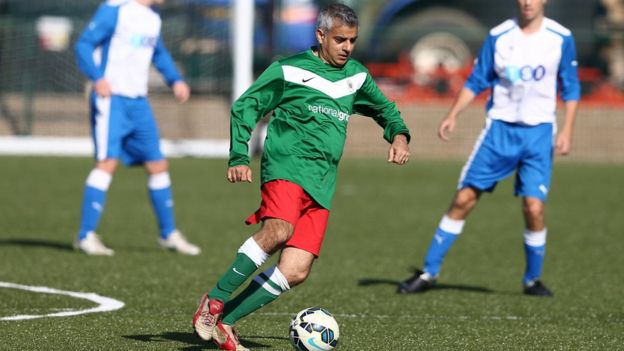
He was an able student who loved football, boxing and cricket – he even had a trial for Surrey County Cricket Club as a teenager. He has since spoken about the racist abuse he and his brothers faced at Wimbledon and Chelsea football matches, saying he felt “safer” watching at home and became a Liverpool fan simply “because they were playing such great football at the time”.
So now my claim to fame in life is that I used to play Sunday morning football on the astroturf in Wandsworth with the Mayor of London.
He will resign his seat at Westminster. TC to get the chance? You never know.
The new member of the family. She came from the SPCA last week and is slowly acclimatising to her new environment.
Eleanor is desperate to be the one who is her best friend. Isaac does not seem to be doing as much care as expected while I dutifully sort out the ‘cat litter’.
She is quite small and certainly not like the previous ‘tigers’ in the house. However, hopefully fierce enough to make the mice move on.
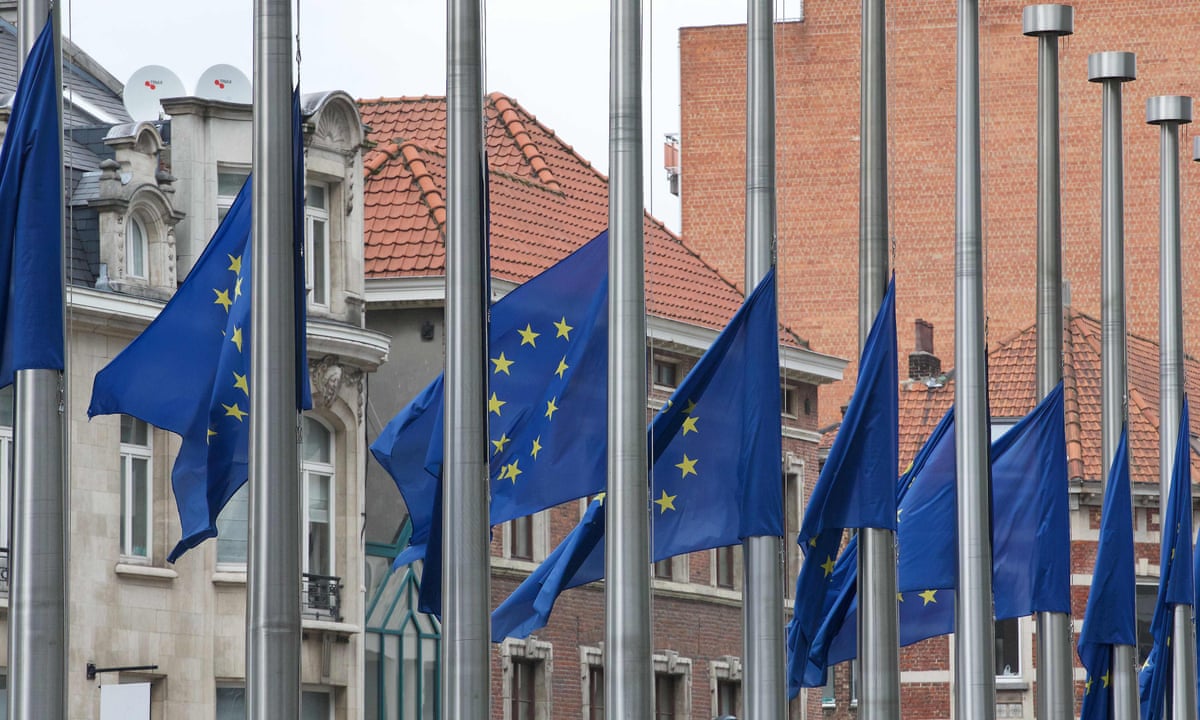
The recent attacks by ISIS/Daesch have take place in Belgium. Aside of the violence and death I have left a bit cold or depressed. The reaction has been typical with more fear, more calls to violence and more grist to impose fear and loss of liberties.
I found Simon Jenkins article again insightful.
One would think that politicians and policymakers would come up with more thought out reactions than to talk of war and more security.
We need to look at ourselves more in what we do currently and how we should respond.
Paranoid politicians, sensational journalists – the Isis recruiting officers will be thrilled at how things have gone since their atrocity in Belgium
‘Those who live under freedom know it demands a price, which is a degree of risk. We pay the state to protect us – but calmly, without constant boasting or fearmongering. We know that, in reality, life in Britain has never been safer. That it suits some people to pretend otherwise does not alter the fact.
In his admirable manual, Terrorism: How to Respond, the Belfast academic Richard English defines the threat to democracy as not the “limited danger” of death and destruction. It is the danger “of provoking ill-judged, extravagant and counterproductive state responses”.
The menace of Brussels lies not in the terror, but in the reaction to the terror. It is the reaction we should fear. But liberty never emerges from a Cobra bunker.’
The result was announced as a ‘news flash’ across our tv screens last night- real drama- I think not.
In the end there was no emotion or real awareness of all this process, it had seemed to fade into the background. A 67% turnout though was good one could say.
I agree with the article below written by a Kiwi in London. It was a superficial process that ddi not involve the true wider issues of New Zealand’s constitutional position and the process was very badly done.
The motley opponents of the Kyle Lockwood-designed alternative, which came out on top in an earlier run-off referendum, made unlikely bedfellows. Among them were, yes, many conservative-minded voters, set against any idea of jettisoning the emblematic link to the mother country. Alongside them was another group eager to shake off the colonial vestige gobbling up a quarter of the flag, yet unable to stomach the alternative. For them the mishmash Lockwood flag – variously compared to a beach towel, a Weetabix packet and the logo for a chain of budget motels – was such an eyesore that they were driven to plump for the unsatisfactory but less hideous incumbent.
Others were against the alternative flag because they opposed the man most closely associated with it: the centre-right prime minister, John Key. Egged on by the opposition parties, who almost universally denounced this Key legacy project as a distraction, and a waste of NZ$27m, their objective, more or less, was to give the prime minister, unaccustomed to losing anything much, a bloody nose.